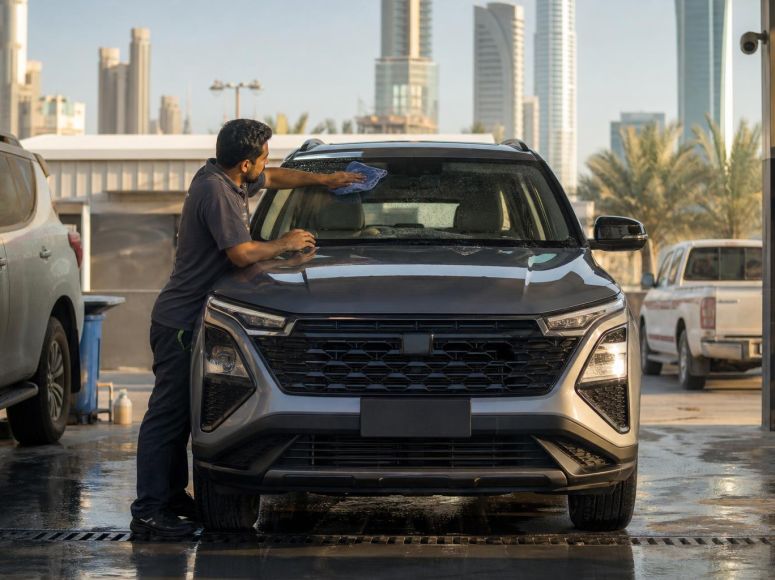
Modern cars increasingly use advanced driver-assistance systems (ADAS) to support safer driving. Features such as automatic emergency braking, adaptive cruise control, lane-departure warning, lane-keeping assistance, blind-spot monitoring and parking sensors all depend on cameras, radar units, ultrasonic sensors and software.
For drivers in the Middle East and North Africa, these systems face demanding conditions: intense sun, airborne dust, occasional heavy rain, road spray, dense urban traffic and long highway journeys. ADAS can be a valuable safety layer, but it is not a substitute for an alert driver. Keeping its sensors clean, correctly positioned and properly calibrated is essential.
What ADAS sensors your car may have
The exact hardware varies by make, model and trim level. Before assuming your vehicle has a particular feature, check its owner’s manual or the vehicle settings menu. Common sensor locations include:
- Forward-facing camera: usually mounted behind the upper part of the windscreen, near the interior mirror. It may support lane recognition, traffic-sign recognition and forward-collision functions.
- Front radar: commonly fitted behind the grille, lower bumper or an emblem designed to allow radar signals through. It is often used for adaptive cruise control and automatic emergency braking.
- Rear radar: normally located behind the rear bumper corners for blind-spot monitoring and rear cross-traffic alerts.
- Ultrasonic parking sensors: small circular sensors in the front and rear bumpers.
- Surround-view cameras: fitted at the front, rear and under the door mirrors on some vehicles.
A dirty or obstructed sensor may cause a temporary warning, reduced system availability or inaccurate detection. A sensor that has been moved by impact or repair may need professional attention.
Why MENA conditions deserve extra attention
Dust, sand and road film
Fine dust can quickly cover a windscreen camera area, grille-mounted radar or parking sensors. Sand and grime can also create a film that is difficult to see from a distance. On desert roads, unpaved routes or during dusty weather, system availability may be reduced even when visibility seems acceptable to the driver.
Do not try to solve this by aggressively rubbing dry sand from a camera lens or radar cover. That can scratch the surface. Rinse loose grit first when possible, then use a clean, soft microfibre cloth and a suitable vehicle-cleaning product.
Strong sunlight and glare
Low sun, reflected light from pale roads, haze and a dirty windscreen can make it harder for a camera to identify lane markings, vehicles or signs. This does not mean the system is faulty. It means the driver should expect possible limitations and remain fully responsible for steering, braking and speed.
Heat and outdoor parking
Automotive ADAS components are designed for vehicle use, but extreme cabin heat and prolonged outdoor exposure make routine checks worthwhile. Inspect the windscreen camera area, mirror housings and bumper sensor surfaces when washing the car. If warning messages continue after the vehicle has cooled and the relevant surface is clean, arrange an inspection.
Heavy rain and standing water
Rain is less frequent in much of the Gulf, but when it arrives it can be intense. Water droplets, mud spray and reduced lane-marking visibility can limit camera-based functions. After driving through deep puddles or flooded sections, inspect bumper sensors and camera lenses for dirt, damage or trapped debris.
A simple sensor-care routine
Add these steps to your usual washing and pre-trip routine, particularly before a long motorway drive.
- Clean the windscreen properly. Clean both sides of the glass, including the exterior area directly in front of the camera housing. Replace worn wiper blades that leave smears in the camera’s field of view.
- Check the front radar area. Remove dust, insects, mud and wax residue from the grille, bumper panel or radar-compatible emblem. Do not fit decorative plates, stickers, bull bars or accessories over it unless they are approved for the vehicle.
- Wipe camera lenses gently. Check the rear camera, front camera and mirror-mounted cameras, where fitted. Use a clean soft cloth; avoid abrasive materials.
- Inspect parking sensors. Ensure each bumper sensor is clean and not covered by mud, paint, a poorly fitted wrap or accessory.
- Look for physical damage. Cracked bumper covers, loose grilles, damaged mirror housings and stone impacts near sensor locations deserve attention.
- Read warning messages. A message such as “sensor blocked” may clear after cleaning. A persistent malfunction or calibration warning should not be ignored.
When does ADAS calibration become necessary?
Calibration is the process of confirming that a camera, radar or other sensor is aimed and operating within the manufacturer’s specified parameters. Depending on the vehicle, it may require a static workshop setup with targets, a controlled road procedure, diagnostic equipment, or a combination of methods.
It is sensible to ask a qualified repairer about ADAS calibration after:
- Windscreen replacement on a car with a camera mounted behind the glass.
- Front or rear bumper repairs or replacement, especially where radar or parking sensors are fitted.
- A collision, even one that appears minor, if it affected a bumper, grille, mirror, windscreen or suspension.
- Wheel alignment or suspension repairs, if the manufacturer’s repair information specifies a calibration check.
- Replacement of a camera, radar, mirror, steering component or related control module.
- Persistent ADAS warnings after cleaning the relevant sensor areas.
Do not assume every repair requires calibration, and do not assume it never does. Requirements differ significantly between vehicles. The safest approach is to ask the workshop to check the manufacturer’s procedure for your exact VIN and repair work.
Why windscreen replacement needs special care
A windscreen is not simply a piece of glass on many current vehicles. The glass may need the correct camera mounting bracket, shape, optical properties and provision for sensors or heating elements. If the forward camera is disturbed during replacement, features such as lane support and collision warning may require recalibration before they can be relied upon.
Before authorising a replacement, ask the installer:
- Is the glass specification correct for a vehicle with a forward-facing ADAS camera?
- Will the camera be transferred and mounted according to the manufacturer’s procedure?
- Does this vehicle require calibration after replacement?
- Can your workshop perform the required calibration, or will it be referred to an appropriately equipped facility?
- Will I receive documentation of any diagnostic scan or calibration carried out?
A lower-cost windscreen installation that overlooks these questions may prove expensive if warning lights appear later or safety functions no longer operate as intended.
Warnings drivers should take seriously
Many systems temporarily switch off when their view is blocked. That can happen in dusty conditions and may be resolved by cleaning. However, book an inspection if you see recurring messages such as:
- “Front camera unavailable” or “radar unavailable” after the sensor has been cleaned.
- “ADAS calibration required” or a similar warning.
- Blind-spot monitoring or parking sensor faults that remain after washing the bumper.
- Lane-assistance, emergency-braking or adaptive-cruise functions that unexpectedly stop working in clear conditions.
- A warning following windscreen, bumper, mirror, suspension or collision repair.
Until the issue is resolved, drive as though the affected assistance feature is unavailable. Never test automatic emergency braking, adaptive cruise control or lane support by deliberately creating a hazardous situation.
Do not let assistance systems encourage risky driving
ADAS is designed to assist, not replace, the driver. It may struggle with faded lane markings, roadworks, unusual road layouts, motorcycles, pedestrians, dust, glare, sharp curves and vehicles cutting in close ahead. These situations can occur anywhere, from busy streets in Cairo and Casablanca to fast GCC motorways.
Keep both hands ready to steer, maintain a safe following distance and watch the road continuously. Adaptive cruise control does not remove the need to judge traffic conditions, and parking cameras do not eliminate blind spots around the vehicle.
Choosing a workshop for ADAS-related work
For repairs involving a windscreen camera, bumper radar or safety-system warning, choose a workshop that can identify the installed equipment and follow model-specific repair information. A capable facility should be willing to explain whether calibration is required, use suitable diagnostic equipment and provide a record of the work performed.
Be cautious of quick fixes that involve covering warning lights, forcing features back on without diagnosis or fitting non-approved accessories in front of sensors. If you are buying a used car, test every advertised assistance feature during a proper inspection and scan the vehicle for stored fault codes where possible.
Conclusion
ADAS can make everyday driving more comfortable and may provide useful warnings when conditions allow, but its effectiveness depends on clear sensors, correct repairs and realistic driver expectations. In MENA’s heat and dust, a few minutes spent checking camera lenses, radar areas and warning messages can help preserve the technology your car already has. After windscreen, bumper or collision work, always confirm whether calibration is required for your specific vehicle.