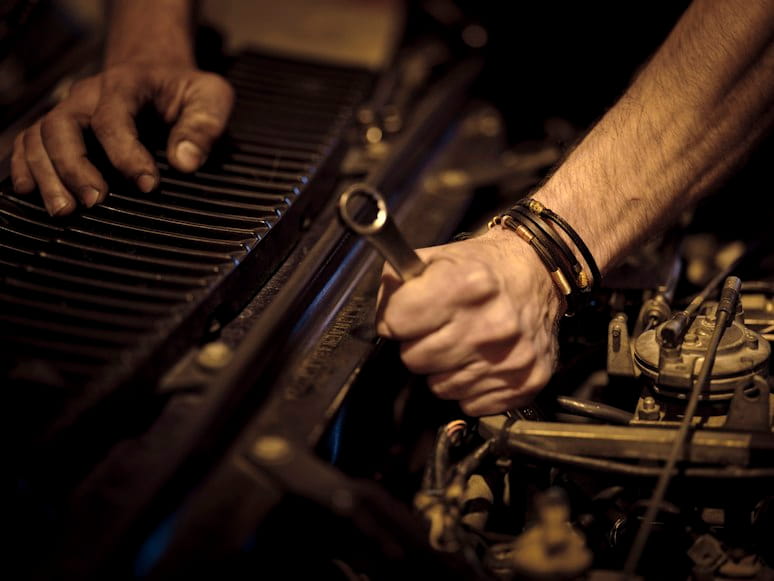
Regular car maintenance is one of the most important responsibilities of vehicle ownership. A well-maintained car is generally more reliable, safer to drive, and less likely to develop avoidable mechanical problems.
You do not need to be a mechanic to understand the fundamentals. By regularly checking a few important components and following the maintenance schedule recommended for your vehicle, you can identify potential problems early and keep your car operating properly.
1. Check and Change the Engine Oil
Engine oil lubricates moving components inside the engine and helps reduce friction, heat, and wear. Over time, the oil deteriorates and can become contaminated, reducing its ability to protect the engine effectively.
Check the engine oil level periodically and follow the vehicle manufacturer's recommendations for oil type and replacement intervals. The correct interval varies depending on the vehicle, engine, oil specification, operating conditions, and manufacturer requirements.
If the oil-pressure warning light illuminates while driving, treat it seriously. Continuing to operate an engine with inadequate oil pressure can cause severe engine damage.
2. Inspect Tire Pressure and Condition
Tires are the vehicle's direct contact with the road, making their condition important for braking, handling, ride quality, and efficiency.
Check tire pressure when the tires are cold and use the pressure specified by the vehicle manufacturer. The recommended pressure is normally found on a label inside the driver's door area or in the owner's manual.
Also inspect the tires for excessive or uneven tread wear, cracks, bulges, embedded objects, or other visible damage. Uneven wear can sometimes indicate incorrect tire pressure, alignment problems, worn suspension components, or other issues that require inspection.
3. Pay Attention to the Braking System
The braking system is a critical vehicle safety system. Changes in braking behavior should not be ignored.
Warning signs can include unusual grinding or squealing noises, vibration during braking, a brake pedal that feels different from normal, increased stopping distance, or a brake warning indicator on the dashboard.
Brake pads, discs, fluid, and related components should be inspected according to the vehicle's maintenance requirements and whenever abnormal braking symptoms appear.
4. Monitor the Car Battery
A weak battery can leave a vehicle unable to start, sometimes with little warning. Battery performance can be affected by age, temperature, driving patterns, electrical loads, charging-system condition, and extended periods of inactivity.
Inspect accessible battery terminals for corrosion and ensure connections are secure. Symptoms such as slow engine cranking, repeated starting difficulty, dimming electrical equipment, or battery-related warnings may justify further testing.
Remember that starting problems are not always caused by the battery. The charging system, starter, wiring, terminals, and other components can produce similar symptoms.
5. Check Important Vehicle Fluids
A modern vehicle relies on several fluids to operate its mechanical and hydraulic systems. Depending on the vehicle, these can include engine coolant, brake fluid, transmission fluid, power-steering fluid, and windshield-washer fluid.
Fluid specifications and checking procedures vary considerably between vehicles. Some systems are sealed or require specific temperature and service procedures, so always follow the owner's manual rather than assuming that every fluid can be checked or topped up in the same way.
Repeatedly low fluid levels may indicate a leak or another problem that should be investigated instead of simply refilling the reservoir.
6. Maintain the Cooling System
The cooling system regulates engine operating temperature. Problems involving coolant level, hoses, the radiator, thermostat, water pump, cooling fans, or other components can contribute to overheating.
Check the coolant according to the manufacturer's instructions and use the specified coolant type and mixture. Never remove a pressurized cooling-system cap from a hot engine, as hot coolant and steam can cause serious burns.
If the temperature gauge indicates overheating or a temperature warning appears, follow the vehicle manufacturer's recommended procedure and investigate the cause before continuing normal operation.
7. Inspect Lights and Wipers
Headlights, brake lights, turn signals, hazard lights, and other exterior lamps help you see and help other road users understand what your vehicle is doing.
Check exterior lighting periodically and replace failed lamps or repair lighting faults promptly.
Windshield wipers are equally important when visibility deteriorates. Replace blades that leave streaks, skip across the glass, make excessive noise, or fail to clear the windshield effectively.
8. Replace Filters When Required
Vehicles commonly use several filters, including the engine air filter, oil filter, fuel filtration components, and cabin air filter. Their maintenance requirements vary by vehicle.
A restricted engine air filter can affect airflow, while a heavily contaminated cabin filter can reduce ventilation performance and air quality inside the vehicle.
Use the manufacturer's service schedule to determine the appropriate inspection and replacement intervals, particularly when the vehicle operates in dusty or demanding conditions.
9. Do Not Ignore Dashboard Warning Lights
Dashboard warning lights are designed to alert the driver to vehicle conditions ranging from routine notifications to faults requiring immediate attention.
Not every warning light has the same urgency. A check-engine light, oil-pressure warning, charging-system warning, brake warning, tire-pressure warning, or engine-temperature warning can indicate very different conditions.
Consult the owner's manual to understand the specific symbol and required response. If a critical warning appears or the vehicle behaves abnormally, continuing to drive may increase the risk of damage or create a safety concern.
10. Follow the Manufacturer's Maintenance Schedule
Generic maintenance advice is useful, but the most important reference for a particular vehicle is its manufacturer-prescribed maintenance schedule.
Service requirements can depend on mileage, time, engine type, transmission, operating environment, and driving conditions. Items such as fluids, filters, spark plugs, belts, timing components, and other service parts can have substantially different intervals from one model to another.
Keep records of maintenance and repairs. A documented service history can help track what has been completed, support troubleshooting, and provide useful information when the vehicle is eventually sold.
Final Thoughts
Good car maintenance is primarily about consistency. Small checks performed regularly can help identify developing problems before they become larger and more expensive repairs.
Pay attention to changes in the way your vehicle starts, drives, sounds, smells, or responds. Combine those observations with regular inspections and the maintenance schedule specified by the manufacturer.
At QR Car, our goal is to make vehicle ownership easier to understand through practical automotive guides, maintenance information, technology updates, and useful advice for everyday drivers.